E-mail Us


Common Dental Emergency Mistakes That Can Make Things Worse

Dental emergencies rarely happen at a convenient time. One moment you’re enjoying a meal at a local Upland restaurant, and the next you’re dealing with sudden tooth pain, swelling, or a chipped tooth. When panic sets in, many people try to fix the problem themselves, or wait it out, without realizing that certain actions can make the situation far worse.
Knowing what not to do during a dental emergency can protect your smile, reduce pain, and prevent long-term damage. Let’s walk through the most common dental emergency mistakes and how Upland residents can respond the right way.
Experiencing a dental emergency in Upland? Call us at (909) 768-6167 immediately for fast, professional care.
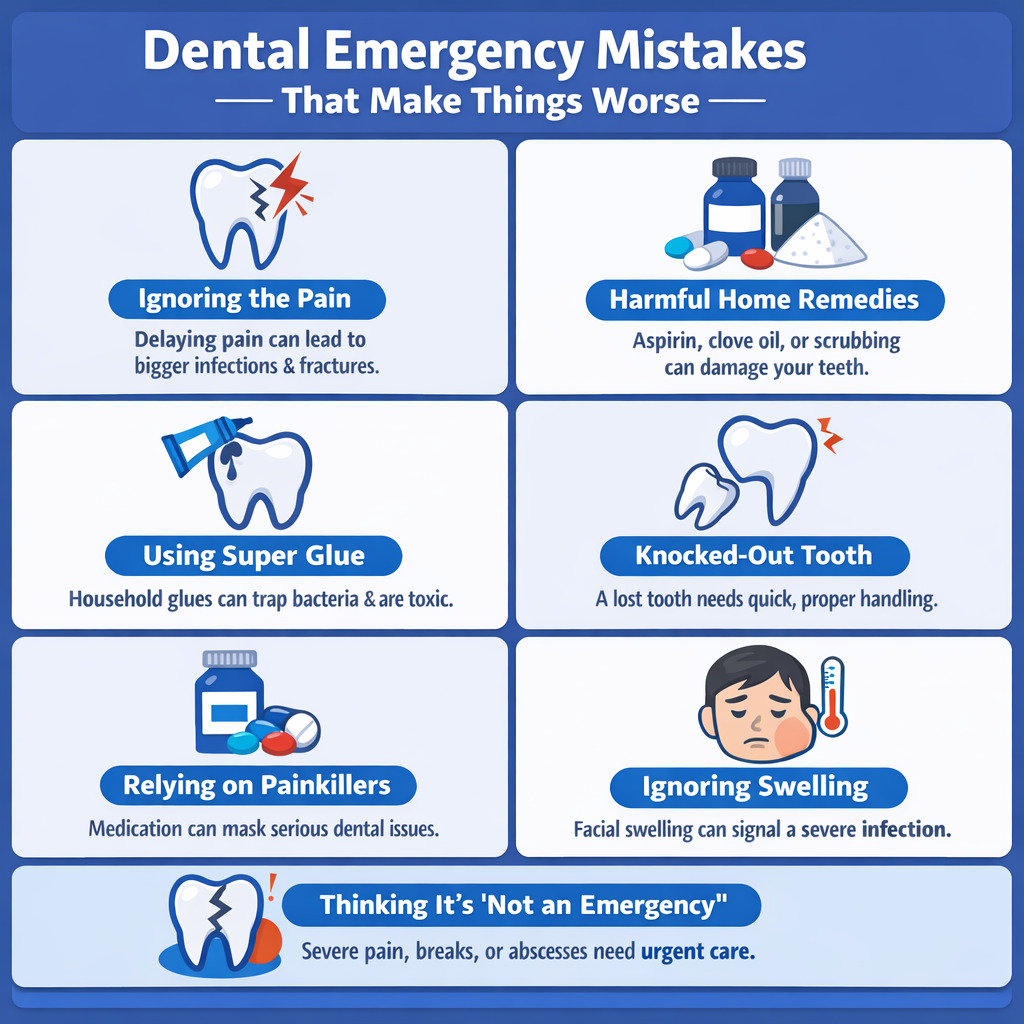
Ignoring the Pain and Waiting It Out
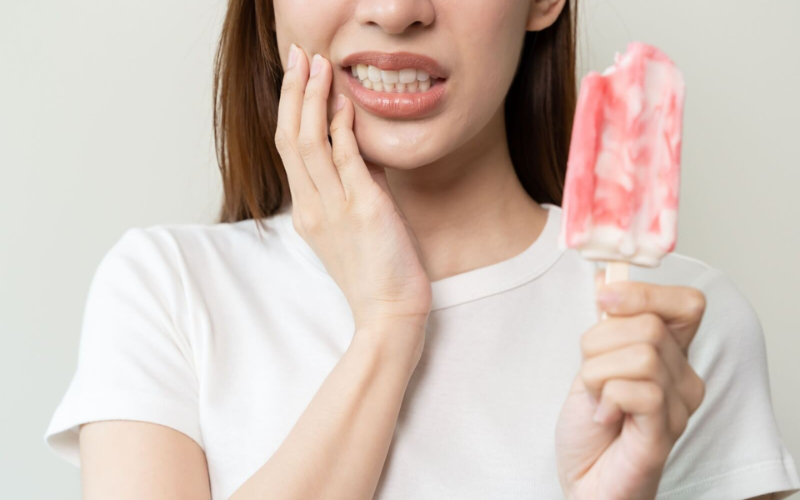
Tooth pain is your body’s warning system. Whether it’s a throbbing molar or sharp sensitivity, delaying care often allows infection or damage to spread.
Why this makes things worse:
- Minor cracks can turn into fractures
- Infections can reach the root or jawbone
- Pain often becomes more severe and costly to treat
If pain lasts more than a day, or worsens, it’s not something to brush off, especially if you live an active lifestyle common in Upland.
Using Home Remedies That Can Damage Teeth
Clove oil, aspirin on the gums, salt scrubs, while some home remedies circulate online, not all are safe.
What can go wrong:
- Aspirin can burn gum tissue
- Alcohol-based rinses can irritate exposed nerves
- Scrubbing can worsen cracks or enamel damage
Temporary relief doesn’t mean the problem is fixed. Professional care matters more than quick internet solutions.
Using Super Glue or Household Adhesives
This is more common than you’d think, especially when a crown or filling falls out before work or school.
Why it’s risky:
- Household glue is toxic when ingested
- It can trap bacteria inside the tooth
- Makes professional repair more difficult
Dental materials are specifically designed for oral use. Anything else can create complications.
Not Acting Fast Enough After a Knocked-Out Tooth
Sports injuries, biking accidents along local trails, or even a slip at home can result in a tooth being knocked out.
Critical mistakes include:
- Letting the tooth dry out
- Touching the root
- Rinsing it with soap or chemicals
If handled correctly and treated quickly, a knocked-out tooth can sometimes be saved.
Taking Painkillers Without Understanding the Cause
Over-the-counter medication can mask symptoms, but it doesn’t stop infection or structural damage.
The danger here:
- Pain relief delays necessary treatment
- Infections continue spreading silently
- Swelling may worsen once medication wears off
Pain control should support care, not replace it.
Waiting Until Swelling Becomes Severe
Facial swelling, gum swelling, or fever are signs of infection that should never be ignored.
Infections can spread to:
- Jawbone
- Sinuses
- Other areas of the body
At this stage, treatment often becomes more complex and urgent.
Assuming Dental Emergencies Aren’t Real Emergencies
Many people hesitate to seek help because they’re unsure if their issue qualifies as an emergency.
Dental emergencies include:
- Severe toothaches
- Broken or cracked teeth
- Abscesses
- Lost fillings or crowns
- Trauma to the mouth
Accessing an emergency dentist promptly can prevent long-term complications and protect your overall health.
What You Should Do During a Dental Emergency
If you live in Upland and you or a family member faces a dental emergency, follow these steps:
- Stay calm and assess the situation
- Rinse gently with warm water
- Apply a cold compress for swelling
- Avoid chewing on the affected side
- Contact an emergency dentist as soon as possible for prompt care.
Having a trusted local dental office saved in your phone can make all the difference.
When to Call Right Away
Call immediately if you experience:
- Uncontrolled bleeding
- Severe swelling or fever
- Intense pain that doesn’t improve
- Trauma to teeth or jaw
Call (909) 768-6167 to get guidance and prompt care when it matters most.
At Young Dental Health Center Upland, our team is committed to providing compassionate, expert care whenever a dental emergency arises.
Frequently Asked Questions About Dental Emergencies
How do I know if my dental issue is an emergency?
If pain, swelling, bleeding, or trauma interferes with daily activities, it’s best to seek care right away.
How can I relieve tooth pain until I see a dentist?
Rinse with warm water, use a cold compress for swelling, and take over-the-counter pain relief as directed. Avoid applying aspirin directly to the gums.
How quickly should I see an emergency dentist?
Ideally, within a few hours for trauma or severe pain. The sooner you’re seen, the better the chance to prevent permanent damage or infection.